
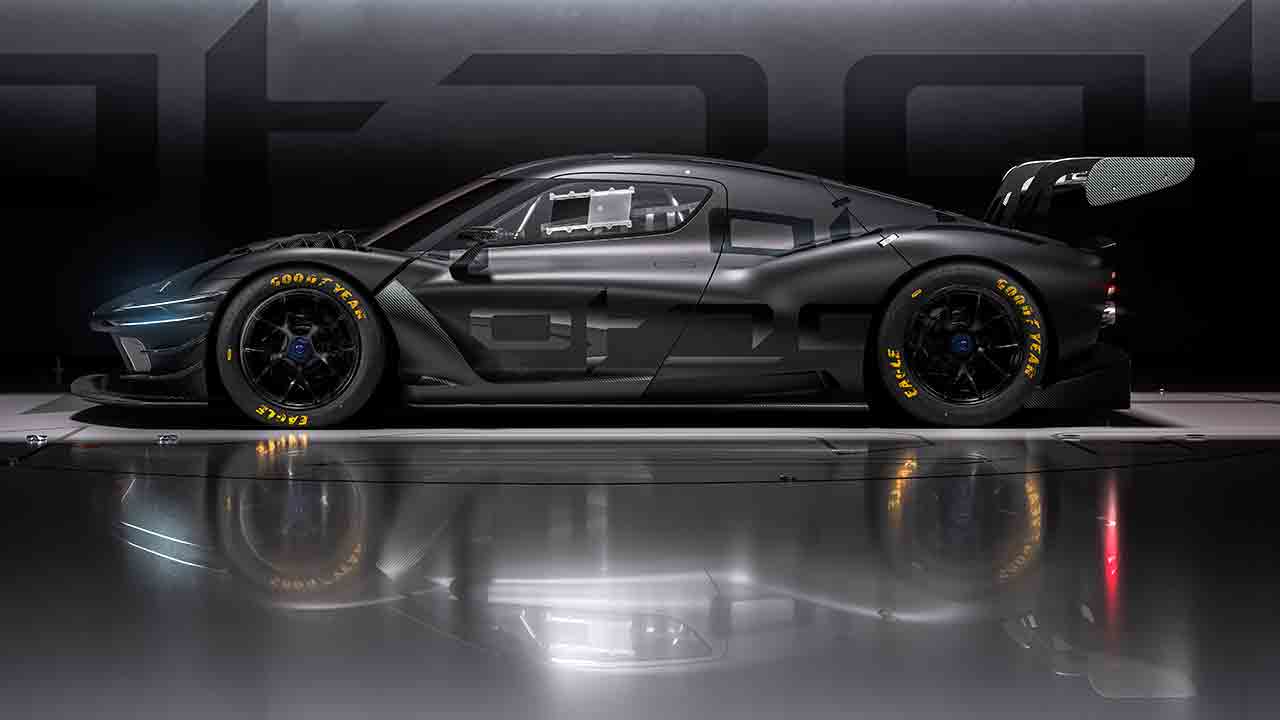
Genesis chose one of the most symbolic stages in global motorsport to show that its high-performance division wants to go beyond luxury cars. During the activities of the 24 Hours of Le Mans in France, the brand presented the new Magma GT3 Concept and reinforced its entry into the Hypercar class, a move that marks a new phase in the South Korean manufacturer’s global racing strategy.
The debut of Genesis Magma Racing in the top category at Le Mans takes place with the Genesis GMR-001 Hypercar, entered in the race held on June 13 and 14 at the Circuit de la Sarthe. For the brand, participation in the world’s most famous endurance race works as a technological showcase and as an extreme test of reliability, efficiency and teamwork. The initial goal is to complete the 24 hours, but Genesis also wants to show competitiveness on a grid that brings together some of the most traditional names in motorsport.
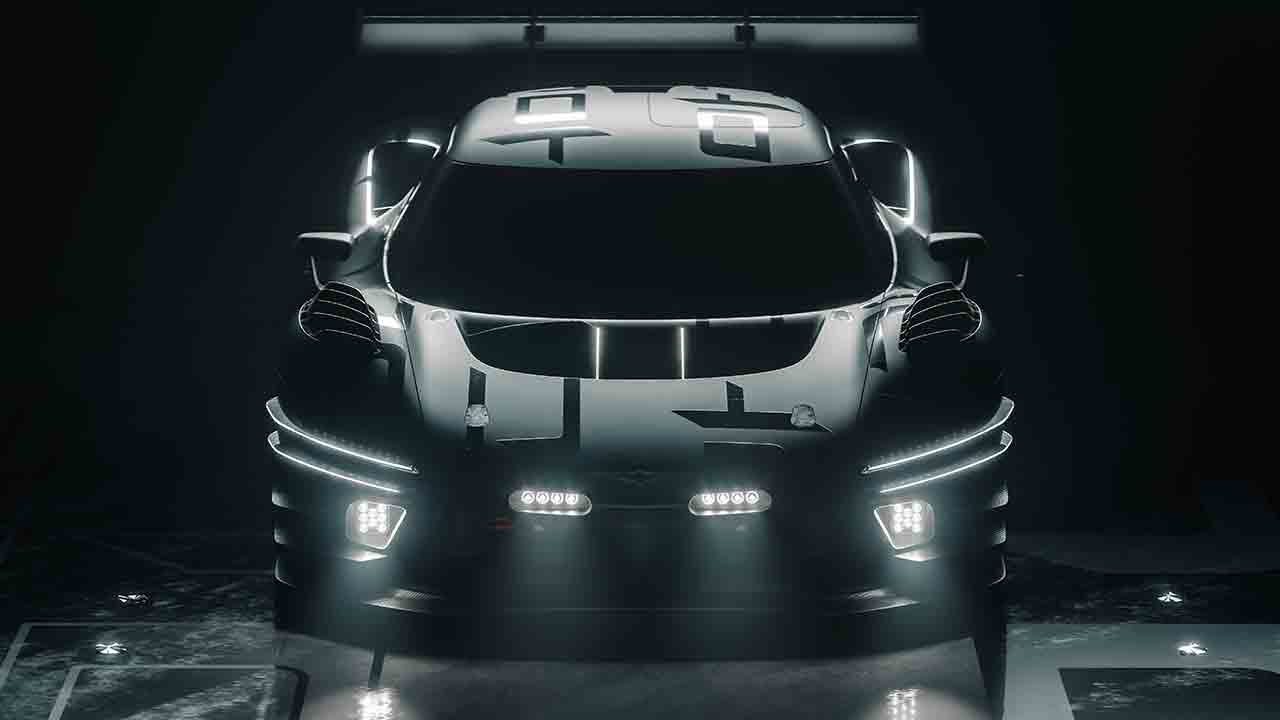
The curious point is that the Magma GT3 Concept was not born from an existing road car. According to Genesis, the project was conceived as an independent study, aligned with the technical regulations of the GT3 category, with a focus on racing architecture, aerodynamics and engineering solutions aimed at competition. In practice, the concept previews how the brand may position itself in a category that more directly connects race cars with high-performance models sold to the public.
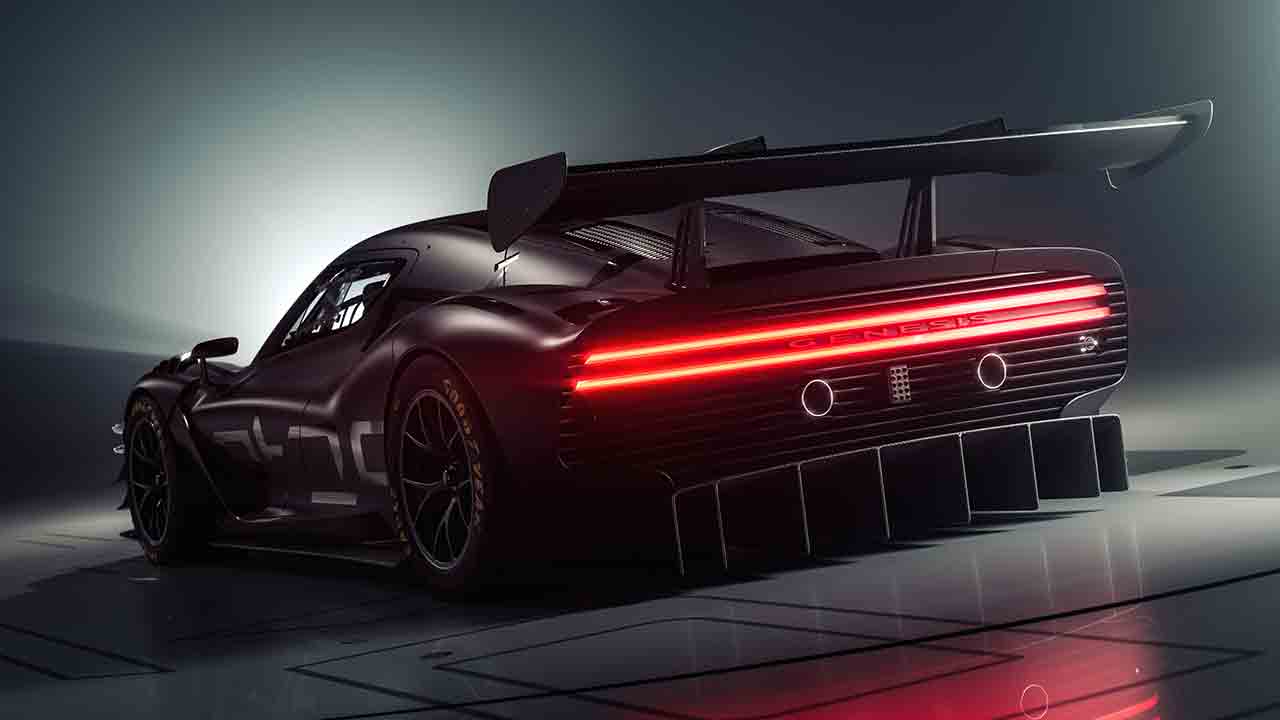
Visually, the Magma GT3 Concept stands out for the aggressive package typical of endurance racing cars. The concept features widened tracks, a prominent front splitter, large air intakes, a fin mounted on the door, a fixed rear wing and a diffuser. These elements are not there just for visual impact: they help with cooling, aerodynamic stability and the car’s durability in long-distance races, where performance must be maintained for many consecutive hours.
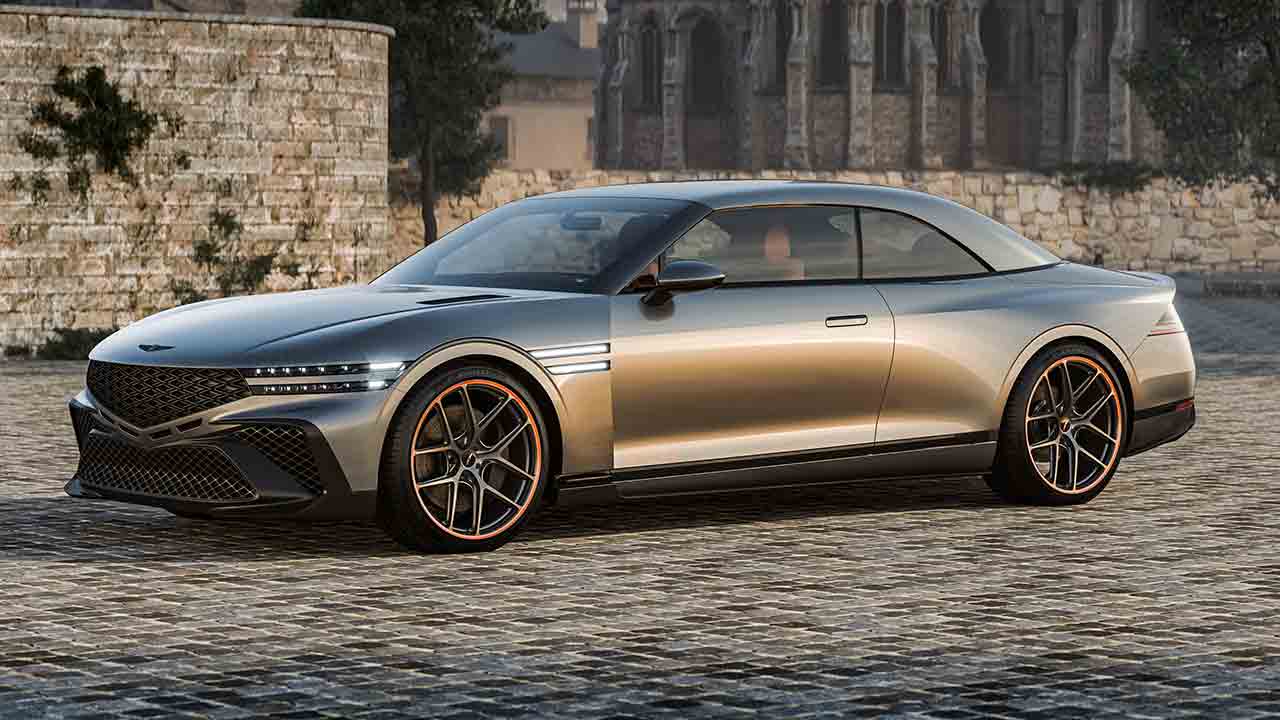
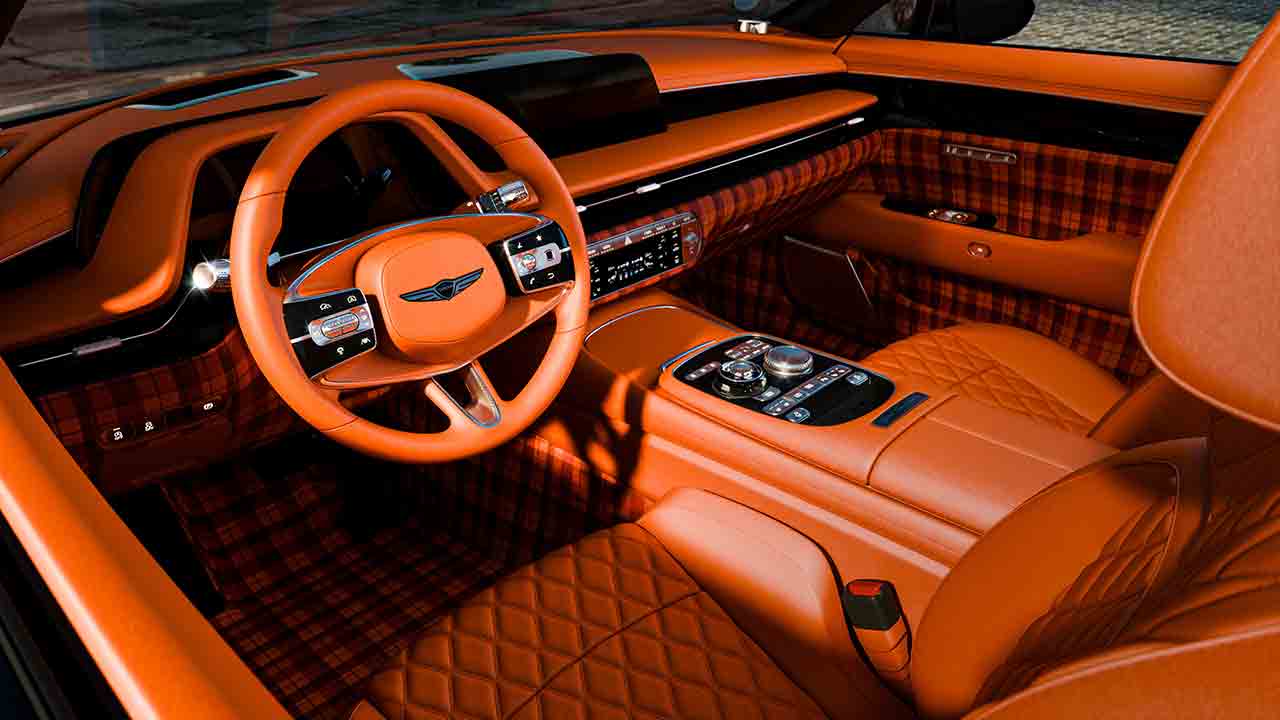
Alongside it, Genesis also displayed the Magma GT Concept, a two-seat coupe designed as a luxury and performance grand tourer. The model, previously shown in 2025, reappeared at Le Mans with an entirely new interior. Its design features a low front end, wide fenders and mid-engine proportions, combining sportiness with the brand’s “Athletic Elegance” design philosophy.
Inside, the Magma GT Concept adopts a sports-inspired cabin, with a dual-cockpit layout, a driver-focused position, an analog dashboard inspired by motorsport timing instruments and physical controls focused on precision. The proposal is to create a modern grand tourer capable of combining comfort, refined finishing and driving engagement.
Genesis was born as the luxury brand of the Hyundai Group, but it is now also trying to build a global performance image. Its presence in the FIA World Endurance Championship, the WEC, and its participation at Le Mans put the manufacturer in direct contact with heavyweight rivals and give technical credibility to future models in the Magma line.
The team had already shown signs of progress in its debut WEC season, scoring points at the 6 Hours of Spa-Francorchamps. That early performance serves as a foundation for the Le Mans challenge, where mechanical endurance, pit strategy, fuel consumption, tires and driver consistency are often as important as outright speed.
With the Magma GT and Magma GT3 concepts, Genesis is trying to build a bridge between the luxury of its road cars and the technical brutality of the racetrack. At Le Mans, the message was clear: the brand does not just want to take part in top-level motorsport, but to use racing as a laboratory to define the next decade of its performance cars.
Source: Genesis. This content was created with the help of AI and reviewed by the editorial team.
